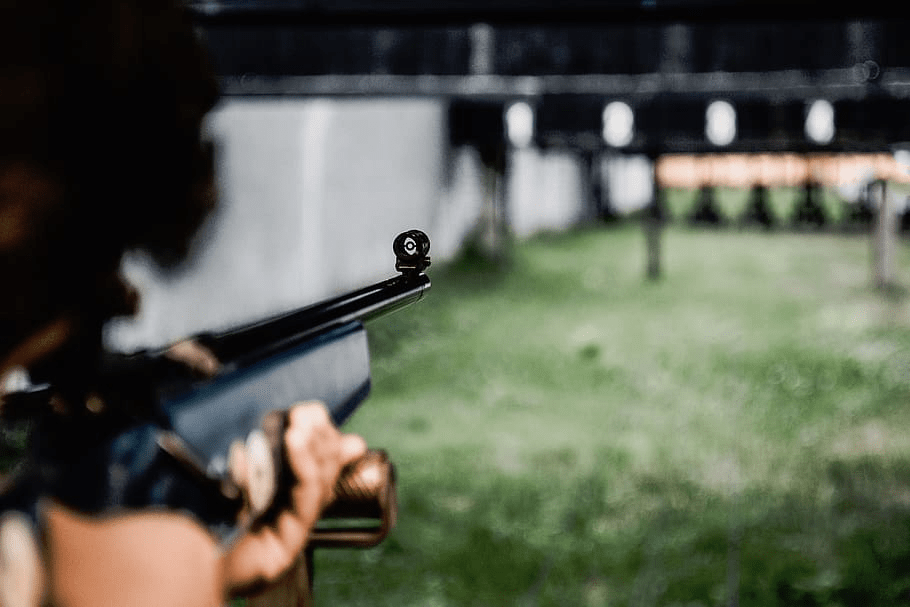
The crack of a rifle, the steady breath before the shot, the precise aim—these elements have defined human conflict and competition for centuries. What began as essential military training has transformed into one of the world’s most disciplined and respected sporting traditions. We at Pathfinder Militaria understand this rich heritage better than most, having spent years studying the fascinating intersection of military history and sporting excellence.
Today’s competitive shooting sports represent far more than weekend recreation. They embody centuries of human ingenuity, discipline, and the relentless pursuit of precision. From ancient battlefields to Olympic podiums, the evolution of shooting sports tells a compelling story of how warfare shaped competition, and how competition, in turn, refined the art of marksmanship.
Early Beginnings: Military Training and Marksmanship
Long before shooting became sport, it was survival. Ancient civilizations recognized that accurate projectile weapons could mean the difference between victory and defeat. The Egyptians, Greeks, and Romans all developed sophisticated training regimens for their archers and slingers, establishing the first formal marksmanship programs in recorded history.
The medieval period saw archery competitions flourish across Europe, particularly in England where the longbow became legendary. These weren’t merely recreational activities—they were serious training exercises disguised as festivals. Kings and nobles understood that skilled archers required constant practice, so they encouraged competitions with prizes and recognition.
By the Renaissance, crossbow guilds had emerged throughout German-speaking regions, creating structured competitions with elaborate rules and ceremonies. These organizations represented the first true shooting clubs, complete with membership requirements, regular meetings, and standardized targets. The transition from purely military necessity to organized civilian competition had begun.
The invention of gunpowder weapons created new challenges and opportunities. Early firearms were notoriously inaccurate, making marksmanship training even more critical. Military commanders began organizing shooting contests to identify their best marksmen, laying the groundwork for modern competitive shooting sports.
The Rise of Organized Competitions
The 19th century marked a turning point in shooting sports history. The Industrial Revolution brought improved manufacturing techniques, creating more accurate and reliable firearms. This technological advancement coincided with a growing interest in civilian marksmanship, particularly in America where frontier life demanded shooting skills.
The National Rifle Association’s founding in 1871 represented a watershed moment. Created by Civil War veterans concerned about American marksmanship standards, the NRA began organizing formal competitions and establishing standardized rules. Their efforts transformed shooting from informal contests into serious sporting events with consistent scoring systems and safety protocols.
Meanwhile, European shooting clubs were experiencing similar growth. The Swiss had been holding shooting festivals for centuries, but these events became more formalized and internationally recognized. German shooting societies expanded their influence beyond local communities, creating regional and national competitions.
The inclusion of shooting sports in the first modern Olympics in 1896 elevated the discipline to international prominence. Five shooting events were featured, attracting competitors from multiple nations and establishing shooting as a legitimate Olympic sport. This recognition sparked global interest and led to the formation of the International Shooting Sport Federation.
Technological Advancements and Modernization
The 20th century brought revolutionary changes to shooting sports through technological innovation. Smokeless powder replaced black powder, dramatically improving accuracy and reducing the telltale smoke that had long plagued competitive shooters. Telescopic sights became more sophisticated and accessible, allowing for unprecedented precision.
Perhaps most significantly, the development of specialized air guns opened shooting sports to entirely new populations. These weapons could be used safely in indoor ranges, making training possible year-round regardless of weather conditions. Air rifle and pistol competitions grew rapidly, particularly in Europe where space constraints made traditional firearms ranges impractical.
Electronic scoring systems transformed how competitions were conducted. Instead of walking downrange to check targets manually, shooters could receive instant feedback on their performance. This innovation not only improved efficiency but also enhanced spectator engagement, making shooting sports more television-friendly and accessible to broader audiences.
Safety equipment evolved dramatically during this period. Hearing protection became mandatory, specialized shooting glasses were developed, and range safety protocols were standardized internationally. These improvements made shooting sports safer for participants and spectators alike.
Contemporary Shooting Disciplines
Modern competitive shooting encompasses an impressive variety of disciplines, each with its own challenges and appeal. Olympic shooting events remain the pinnacle of the sport, featuring rifle, pistol, and shotgun competitions that test different aspects of marksmanship. These events demand years of training and represent the highest level of competitive shooting.
Practical shooting sports have gained tremendous popularity in recent decades. International Practical Shooting Confederation (IPSC) and United States Practical Shooting Association (USPSA) competitions emphasize speed, accuracy, and tactical problem-solving. These dynamic events challenge shooters to engage multiple targets while navigating complex courses, more closely resembling real-world shooting scenarios.
Recreational shooting sports have exploded in popularity, bringing millions of new participants into the shooting community. From casual plinking to organized leagues, these activities provide accessible entry points for newcomers while maintaining the fundamental principles of safety and marksmanship that define competitive shooting.
Long-range precision shooting has emerged as one of the fastest-growing disciplines. Technological advances in optics, ammunition, and rifles have made previously impossible shots achievable, attracting competitors who relish the challenge of extreme-distance accuracy.
The Future of Competitive Shooting Sports
Youth engagement remains crucial for the sport’s continued growth. Organizations worldwide are developing programs specifically designed to introduce young people to shooting sports safely and responsibly. These initiatives emphasize safety, discipline, and sportsmanship while building the next generation of competitors.
Technology continues reshaping competitive shooting in exciting ways. Virtual reality training systems allow practice without ammunition, while advanced ballistics software helps shooters understand their equipment’s capabilities. Electronic targets and automated scoring systems are becoming standard at major competitions, improving accuracy and reducing delays.
Global participation in shooting sports continues expanding, with new nations joining international competitions regularly. This growth brings fresh perspectives and techniques to established disciplines while introducing traditional shooting sports to new cultures and regions.
Conclusion
The evolution of competitive shooting sports from military necessity to modern Olympic discipline represents one of humanity’s most enduring sporting traditions. This transformation reflects our species’ remarkable ability to channel martial skills into peaceful competition, creating disciplines that celebrate precision, discipline, and sportsmanship.
We encourage you to explore local shooting clubs and competitions in your area. The shooting sports community welcomes newcomers with open arms, providing instruction, equipment, and support for those interested in this rewarding pursuit.
Ready to explore the rich history of firearms and shooting sports? Contact us at Pathfinder Militaria to discover our extensive collection of historical firearms and memorabilia that tell the story of shooting sports evolution.