When you’re deep in hunting territory, the sidearm on your hip serves multiple critical purposes. Whether you need protection from predators, want to finish wounded game humanely, or simply want that extra confidence while tracking through thick brush, choosing between a revolver and a semi-automatic handgun can make all the difference.
At ICB Firearms, we understand that hunters face real-world decisions about their backup firearms. The age-old debate between revolver simplicity and semi-auto capacity isn’t academic when you’re miles from help and facing an unpredictable situation.
This comparison will break down the practical differences that matter most to hunters, helping you make an informed choice based on your specific hunting style and needs.
Key Differences Hunters Should Weigh
Capacity and Rate of Fire
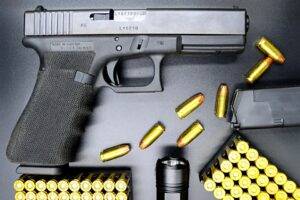
Semi-automatic handguns typically hold 8-15 rounds depending on caliber and frame size. When facing an aggressive boar or needing multiple quick shots on moving targets, that capacity advantage becomes obvious. The faster cyclic rate means you can get back on target quicker for follow-up shots.
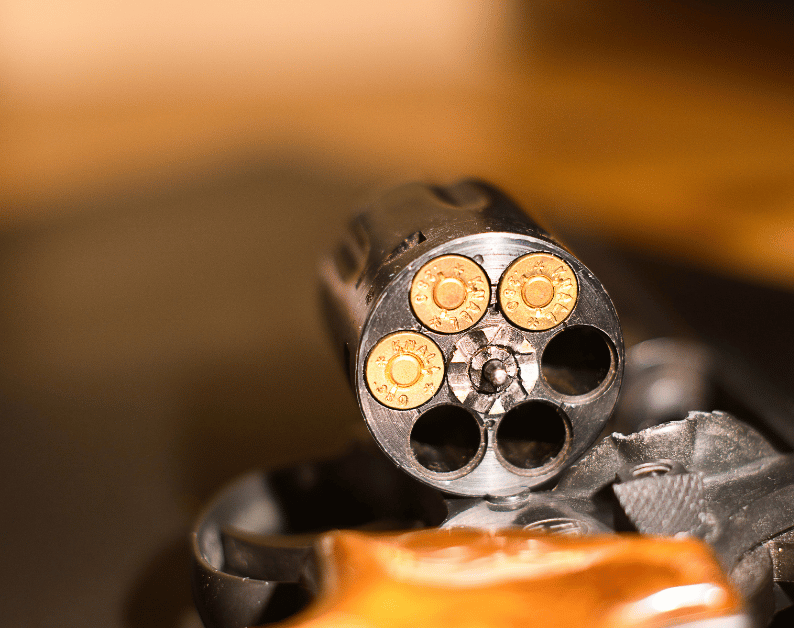
Revolvers, on the other hand, usually hold 5-6 rounds. While this might seem limiting, each shot from a quality revolver is incredibly dependable. You’re trading quantity for absolute reliability per cartridge.
Here’s something interesting, though—many experienced hunters report they rarely need more than two shots when hunting. That changes the capacity equation significantly.
Recoil, Shootability, and Accuracy
Magnum revolvers pack a serious punch, but managing that recoil can be challenging. A .44 Magnum will definitely stop whatever you’re aiming at, but the heavy recoil can throw off your second shot timing. Your wrist and forearm take a beating during practice sessions, too.
Semi-automatic handguns in hunting calibers like 10mm, .40 S&W, or .45 ACP tend to manage recoil better through their operating systems. The slide’s rearward motion absorbs some of that energy, making repeat shots more manageable.
Which shoots more accurately under stress? That depends entirely on the shooter and their training. Some hunters swear by the single-action trigger pull of a revolver for precision shots, while others prefer the consistent trigger pull of a quality semi-auto.
Reliability and Maintenance in the Field
This is where revolvers traditionally shine. The mechanical simplicity means fewer things can go wrong when you’re dealing with mud, rain, extreme cold, or dust. You can literally see if all the chambers are loaded, and there’s no magazine to worry about.
Modern semi-autos have become incredibly reliable, but they do require proper maintenance and handling. Limp-wristing can cause malfunctions, and debris in the action can create problems. However, today’s hunting pistols are far more dependable than their predecessors.
The real question is: can you properly maintain your firearm throughout your hunting trip? If you’re on a week-long backcountry hunt, that mechanical simplicity of a revolver starts looking pretty appealing.
Ammunition Choices and Ballistics
Revolver calibers like .44 Magnum and .357 Magnum have earned their reputation for stopping power on large game and predators. These cartridges can handle heavy bullets at high velocities, delivering serious energy downrange.
Semi-auto options have expanded significantly. The 10mm has gained popularity among hunters for its flat trajectory and hard-hitting performance. Heavy .45 ACP loads and specialized hunting rounds in .40 caliber also perform well in backcountry situations.
Your caliber choice should match your hunting scenario. Consider these factors:
- Primary concern: predator defense vs large game capability
- Terrain and weather conditions you’ll encounter
- Your experience level with different caliber recoils
- Ammunition availability in your region
Hunting Scenarios Where Each Excels
When hunting hogs or dealing with predator control, semi-autos offer clear advantages. Multiple aggressive targets require fast follow-up shots, and that magazine capacity can be lifesaving. The ability to reload quickly with a fresh magazine also matters in these situations.
For remote backcountry hunting in mountains or harsh terrain, many guides still prefer revolvers. When you’re days from civilization and dealing with extreme weather, that rugged reliability becomes paramount. You can’t afford a malfunction when facing a charging bear.
Finishing wounded game works well with either platform but depends more on caliber selection and shot placement than action type. A well-placed shot from either will do the job humanely.
Weight considerations matter on long hunts. Heavy-frame magnum revolvers can weigh significantly more than comparable semi-autos. If you’re already carrying a rifle, scope, and full pack, those extra ounces add up over miles of hiking.
Conclusion
There’s no universal winner in this comparison. Both revolvers and semi-autos have earned their place in hunting camps across the country.
Revolvers offer proven power and mechanical ruggedness that many hunters find reassuring in remote locations. When simplicity and reliability matter more than capacity, they excel.
Semi-autos provide higher capacity and faster follow-up shots, making them ideal for situations requiring multiple quick shots or predator defense.
The right choice comes down to your specific hunting scenarios, shooting ability, and personal preferences. Whether you choose a revolver or semi-automatic from ICB Firearms, the most important factor is selecting one you can shoot accurately and trust when it matters most.
Practice regularly with whichever platform you choose, understand its limitations, and carry it with confidence knowing you’ve made an informed decision based on your hunting needs.